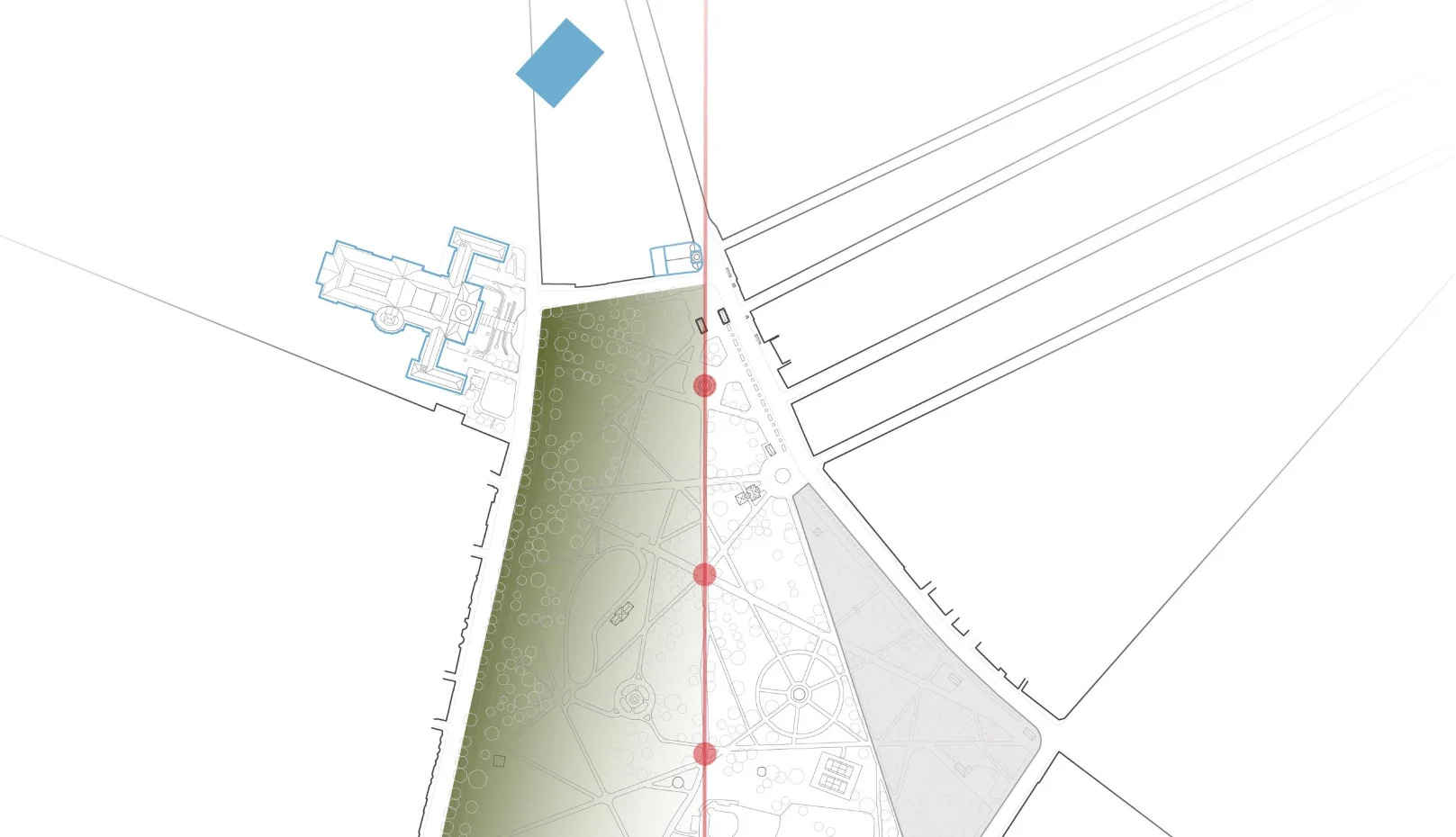
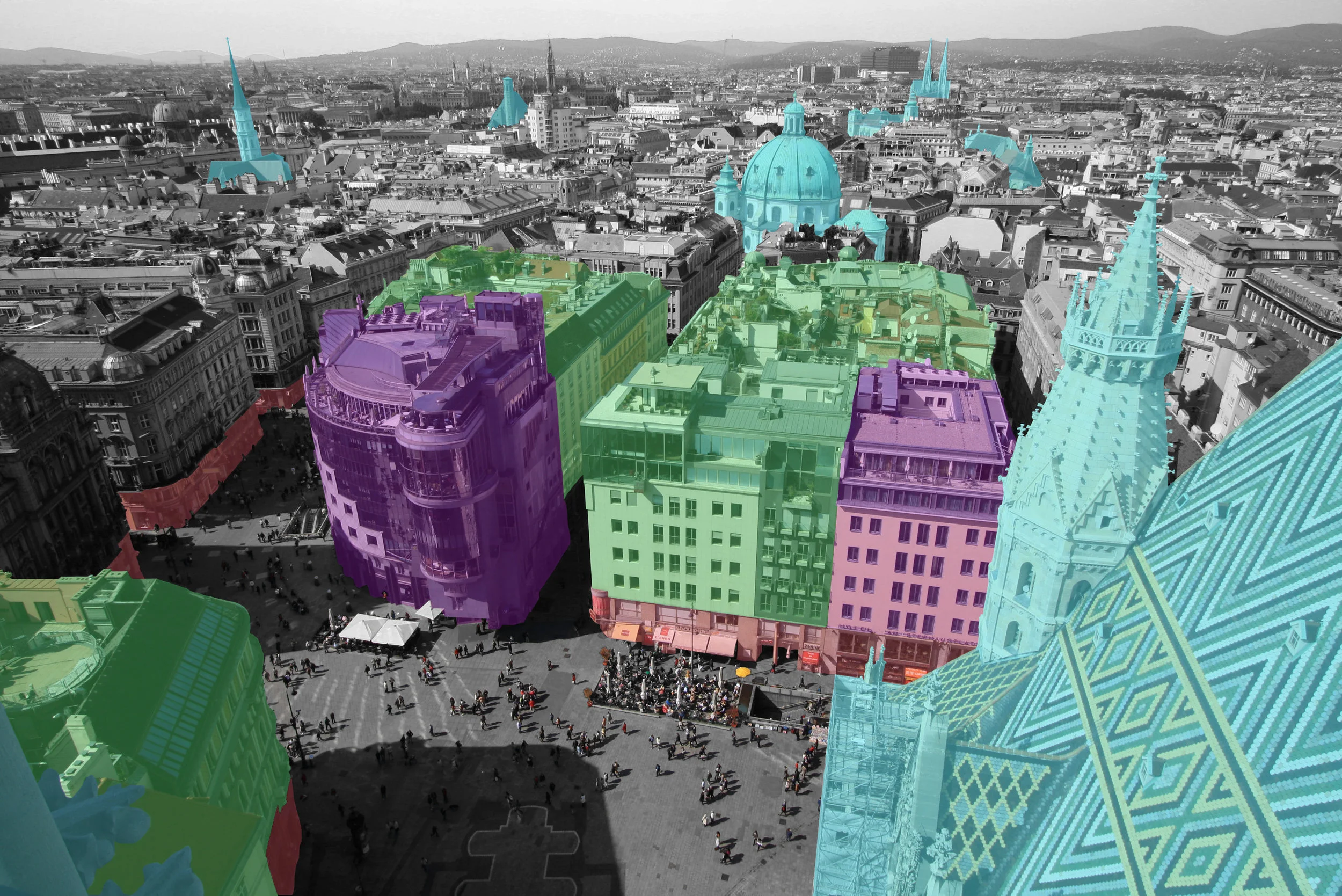
Cities designed with tight mixed-use adjacencies and dispersed public nodes offer the best lifestyle. Vienna, Austria, ranked the world’s most livable city, offers a distinct designed scale. Implied by the even placement of the churches, the city is designed around tight adjacencies for residents. Between the Home and the destination, the street level is the connection of access to goods and services. The street here, with no clear vehicle passage, gives priority to the pedestrian. Looking at the blocks that are in easy reach, it appears two hotels are placed, giving visitors direct access to the central area of the city. Around them, though, and above the street level, is housing. Placed mostly on the inner streets, it offers the residents privacy while still giving them the convenience of hopping down to the street to enter the action of the city. With a worldwide ranking for livability, how does the US code adjust for this kind of setup? And can existing cities transform to align with this model?